

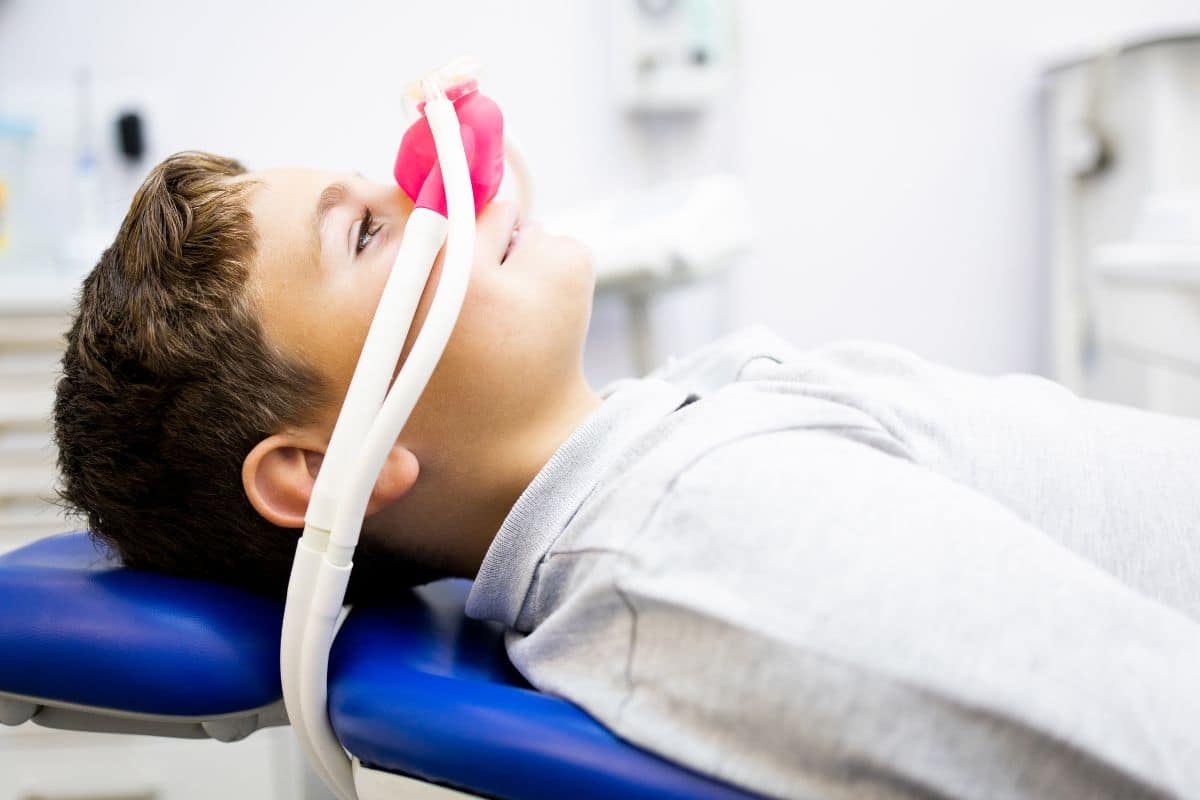
Dental visits can make some children feel nervous, especially when they need a filling or another procedure. Nitrous oxide is one option that may help reduce anxiety and make treatment easier. Often called laughing gas, nitrous oxide is mixed with oxygen and delivered through a small mask placed over the nose.
Matthews & Dai Pediatric Dentistry and Orthodontics in Spring, Texas, offers sedation options for children who need extra support during dental care. However, nitrous oxide does not suit every child or every procedure. Parents should understand how it works, what safety checks matter, and what to expect before, during, and after treatment.
What Is Nitrous Oxide, and Why Do Dentists Use It?
Nitrous oxide is a colorless gas mixed with oxygen to help children feel more relaxed during dental treatment. At Matthews & Dai Pediatric Dentistry and Orthodontics in Spring, the dental team can assess your child’s needs and explain whether this option may be suitable.
As your child breathes through a small mask placed over the nose, they may feel calm, warm, lightheaded, or slightly giggly. Some children describe a floating sensation, while others simply feel less nervous during treatment.
If you are looking for pediatric dentist in Spring, Matthews & Dai Pediatric Dentistry and Orthodontics can help you understand the available dental care options and how the team supports children who feel anxious about dental visits.
Does nitrous oxide make a child fall asleep?
Usually, no. Nitrous oxide generally helps children relax while they remain awake and able to respond to simple instructions. This differs from deeper forms of sedation, which can produce a much lower level of awareness.
A child may feel less worried about the sounds and sensations of treatment. However, nitrous oxide does not replace every other part of dental care. The dentist may still use local anesthesia when a procedure requires it.
Why might a dentist recommend it?
A dental professional may consider nitrous oxide when a child:
- Feels anxious about dental treatment.
- Has difficulty staying calm during a procedure.
- Needs treatment that may take time.
- Has a strong gag reflex that interferes with care.
- Would benefit from additional support during a dental visit.
The dentist must consider the child’s health, development, anxiety level, and planned procedure before recommending this option.
How Does Nitrous Oxide Work During a Dental Visit?
The process usually begins with a discussion about the child’s medical history and the planned treatment. The dental team explains the mask and helps the child become familiar with the equipment.
Next, the child sits in the dental chair and breathes through the nasal mask. The team adjusts the gas mixture as needed and watches how the child responds.
What might your child feel?
Children can respond differently. Some feel calm and comfortable, while others notice unusual sensations.
Your child might experience:
- A light or floating feeling.
- Mild tingling in the hands or feet.
- Warmth or heaviness in the arms and legs.
- A feeling of relaxation.
- Slight laughter or a dreamy sensation.
These effects usually begin quickly. However, tell the dental team if your child feels uncomfortable, dizzy, nauseated, or unusually distressed.
Will my child feel pain?
Nitrous oxide can help reduce anxiety and may provide some pain relief. However, it does not always eliminate pain from dental treatment.
For procedures that require it, the dentist may use local anesthesia to numb the treatment area. Therefore, ask which methods the team plans to use and how they will help your child remain comfortable.
Is Nitrous Oxide Safe for Children?
Nitrous oxide has a long history of use in dentistry. The American Academy of Pediatric Dentistry recognizes nitrous oxide and oxygen as a useful option for reducing anxiety in appropriate pediatric patients.
However, safe use depends on careful patient selection, trained dental personnel, suitable equipment, and monitoring. No sedation method is risk-free, so the dentist should explain the expected benefits and possible complications.
What factors affect whether it is suitable?
Before recommending nitrous oxide, the dental team should review:
- Medical history: Existing conditions may affect the decision.
- Current symptoms: Nasal congestion can make it difficult to breathe through the nose.
- Medications: Some medicines may affect sedation planning.
- Treatment needs: The length and type of procedure matter.
- Ability to cooperate: The child needs to tolerate the mask and follow instructions.
- Previous experiences: Earlier reactions to sedation or dental care should be discussed.
Children with certain respiratory conditions or other medical concerns may need a different approach. Therefore, share all relevant health information before treatment, including recent illness and any known medication reactions.
What side effects can occur?
Some children experience nausea, vomiting, dizziness, headache, or unpleasant sensations. These effects are often temporary, but parents should report any concerns to the dental team.
The dentist should explain the monitoring process and what the team will do if the child does not tolerate the gas well.
How Should Parents Prepare Before the Appointment?
Preparation can make the visit easier for both children and parents. Start by explaining the procedure in calm, simple language.
For example, you might tell your child that the dentist may use a small nose mask to help them feel relaxed. Avoid promising that they will feel nothing or that the procedure will be completely painless.
Share your child’s medical history
Tell the dentist about allergies, current medications, recent illnesses, breathing problems, and previous experiences with sedation. Even details that seem unrelated may affect treatment planning.
If your child has a cold or a blocked nose, contact the office before the visit. Nasal congestion can interfere with breathing through the mask, so the dental team may need to reconsider the plan.
Ask about eating and drinking
Follow the office’s specific instructions about food and fluids before treatment. Requirements can vary depending on the planned procedure and whether the dentist will use nitrous oxide alone or another form of sedation.
Do not assume that the same preparation rules apply to every sedation method. If your child will receive additional medication or deeper sedation, the instructions may differ.
Help your child feel prepared
You can also:
- Explain the visit using age-appropriate language.
- Bring up worries before arriving.
- Avoid frightening descriptions of dental procedures.
- Allow time for questions.
- Tell the dental team if your child has strong fears or sensory sensitivities.
A calm explanation helps build trust. Meanwhile, the dental team can describe each step and help your child become comfortable with the setting.
What Happens After Nitrous Oxide Treatment?
One reason dentists often use nitrous oxide is that its effects usually wear off quickly after the gas stops. The team typically gives oxygen for a short period and checks the child’s recovery.
Most children return to their usual level of alertness soon afterward. However, the dental team should confirm that your child has recovered appropriately before leaving.
Can my child return to normal activities?
Many children can resume normal activities relatively soon after nitrous oxide alone. Still, follow the dentist’s instructions because the dental procedure itself may affect eating, drinking, school, or sports.
For example, a filling may create different aftercare needs from a tooth extraction. If the dentist combines nitrous oxide with another sedative, recovery instructions may also change.
When should parents seek help?
Contact the dental office if your child develops persistent nausea, vomiting, dizziness, or other symptoms that concern you after treatment. Follow any specific instructions provided by the dental team.
Seek urgent medical attention for severe breathing problems, unusual difficulty waking, or another serious reaction. Such symptoms require prompt assessment rather than waiting for them to pass.
What Alternatives Are Available if Nitrous Oxide Is Not Suitable?
Nitrous oxide is only one way to help children manage dental anxiety. The right choice depends on the child’s needs, health, age, and planned treatment.
Options may include:
- Tell-show-do: The dentist explains and demonstrates steps before performing them.
- Positive reinforcement: Encouragement helps the child build confidence.
- Breaks and reassurance: Short pauses may help a nervous child regain control.
- Local anesthesia: Numbing medicine helps prevent pain during many procedures.
- Other sedation methods: Oral or deeper sedation may suit certain children when clinically appropriate.
Matthews & Dai offers different sedation options, including oral sedation and IV sedation. However, each method has different requirements and risks. The dentist should discuss the available choices and explain why one option may suit your child better than another.
Make an Informed Decision About Dental Sedation
Nitrous oxide can help some children feel calmer during dental treatment, but the dentist must assess each child’s needs before recommending it. Understanding the process, sharing medical information, and following preparation instructions can help parents make informed decisions.
For advice about sedation and your child’s dental treatment, contact Matthews & Dai Pediatric Dentistry and Orthodontics in Spring, Texas. Schedule your appointment to discuss your child’s needs and learn which options may be appropriate.


