

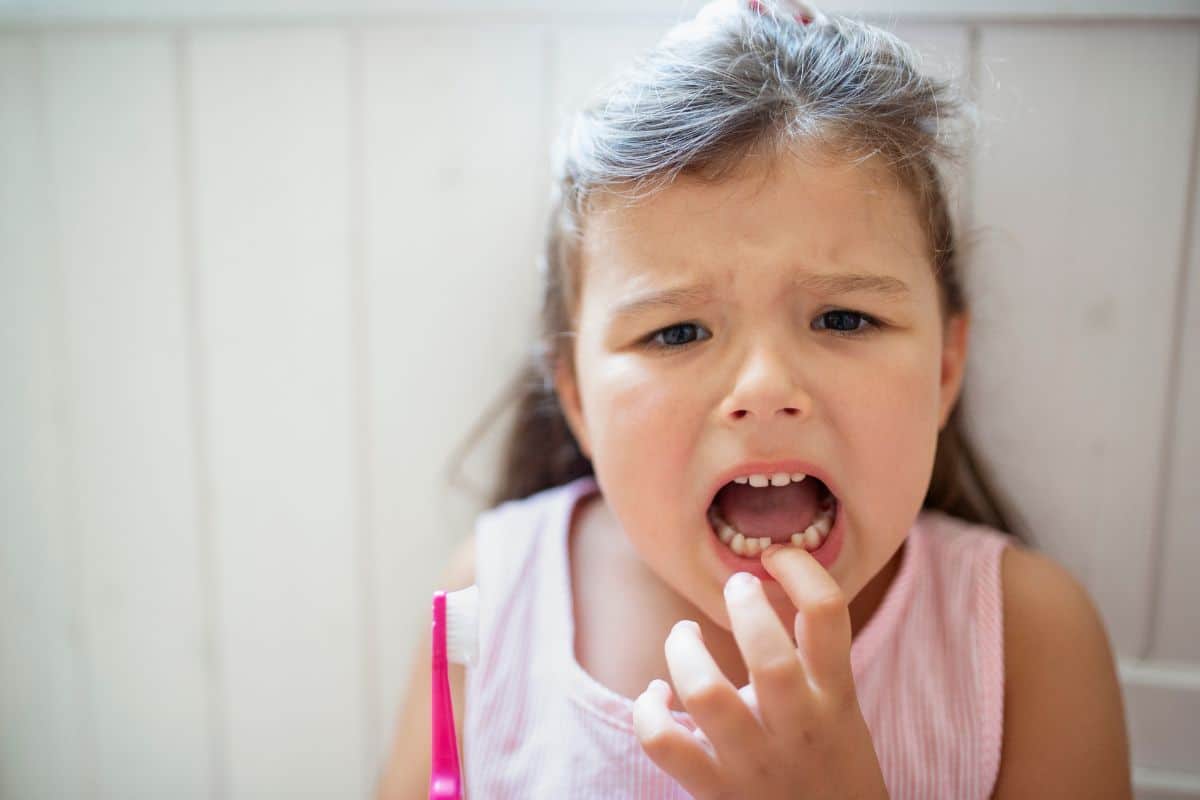
A loose baby tooth not ready to fall out can leave parents wondering whether they should wait or help it along. In most cases, a wobbly baby tooth is a normal part of childhood. However, the timing depends on your child’s age, tooth position, and dental development. At Matthews & Dai Pediatric Dentistry and Orthodontics in Spring, Texas, parents can seek guidance when a tooth seems unusually loose, causes pain, or does not follow the expected pattern.
Baby teeth help children chew, speak, and hold space for their permanent teeth. Therefore, it is important to let a tooth loosen naturally whenever possible. Pulling it too early may cause bleeding, soreness, or unnecessary discomfort. Understanding what happens during tooth loss can help you keep your child comfortable and know when to ask a dentist for advice.
Why Is My Child’s Baby Tooth Loose but Still Attached?
Baby teeth usually loosen as permanent teeth begin developing and move into position underneath them. As this happens, the roots of the baby teeth gradually dissolve. The tooth then becomes wobbly and eventually falls out.
However, this process does not happen at the same speed for every child. One tooth may fall out within a few days, while another may remain loose for several weeks.
Parents can also use routine dental visits to discuss normal tooth development with a Spring Pediatric Dentist at Matthews & Dai Pediatric Dentistry and Orthodontics. A dental professional can check whether the tooth is loosening naturally or whether another issue may explain the movement.
How long should a loose baby tooth take to fall out?
There is no exact timeline for every child. Some teeth fall out soon after they begin wobbling, while others take longer. The tooth’s location also matters because front teeth and back teeth follow different eruption schedules.
For example, the lower front teeth often loosen around the early elementary school years. Molars generally remain in place longer because children lose them later than their first front teeth.
The key point: A tooth does not need to fall out immediately just because it moves when your child touches it.
What Should Parents Do About a Loose Baby Tooth?
Most loose baby teeth need patience rather than intervention. In the meantime, you can help your child stay comfortable and keep the area clean.
Encourage gentle movement
If the tooth feels loose, your child may gently wiggle it with a clean finger or tongue. This can help the tooth loosen naturally. However, discourage repeated pulling, twisting, or forceful movement.
Children may become excited about losing a tooth. Therefore, explain that the tooth will fall out when it is ready.
Keep brushing and flossing
A loose tooth does not mean your child should stop cleaning that area. Plaque can still collect around the gumline, so regular oral hygiene remains important.
Try these simple steps:
- Use a soft-bristled toothbrush.
- Brush gently around the loose tooth.
- Help your child floss carefully between nearby teeth.
- Rinse with water after meals when food becomes trapped.
- Avoid pressing hard on sore or swollen gums.
If brushing causes pain, reduce pressure and contact a dentist if the discomfort continues.
Choose comfortable foods
Hard or sticky foods may tug on a loose tooth or irritate the surrounding gums. Softer foods can help while the tooth becomes more mobile.
Consider yogurt, scrambled eggs, soft fruit, oatmeal, and cooked vegetables. Meanwhile, avoid biting directly into hard apples, crusty bread, or hard candy with the loose tooth.
When Is a Loose Baby Tooth a Cause for Concern?
Although natural tooth loss is common, some symptoms deserve attention. The most important factors are pain, swelling, injury, and how the tooth became loose.
Signs to watch for
Contact your child’s dentist if you notice:
- Significant pain: Mild pressure may occur, but ongoing or severe pain needs evaluation.
- Swollen gums: Redness, swelling, or pus may indicate infection.
- Unexpected bleeding: A little blood when a tooth falls out is common. Persistent bleeding is not.
- Loose teeth after an accident: A fall or sports injury can damage the tooth or surrounding tissues.
- An unusual tooth position: A permanent tooth may begin appearing while the baby tooth remains firmly in place.
- Difficulty eating: Pain that interferes with meals should not be ignored.
If your child has facial swelling, fever with dental swelling, or trouble swallowing or breathing, seek urgent medical or dental care. Breathing or swallowing difficulty requires emergency attention.
What if the tooth is loose on one side only?
A tooth may loosen unevenly as its roots dissolve. That does not automatically indicate a problem. However, sudden movement, a change in tooth color, or pain after an injury calls for a dental examination.
Likewise, avoid assuming that every loose tooth is ready to come out. A dentist can determine whether the tooth is following normal development.
Should You Pull a Loose Baby Tooth at Home?
Parents often wonder whether they should pull a tooth that hangs by a small piece of tissue. In general, it is best to let the tooth fall out naturally.
If the tooth moves freely and causes no discomfort, your child can gently wiggle it during normal daily activities. Do not tie it to a string, use tools, or twist it forcefully.
Why pulling too early can cause problems
A baby tooth may still have tissue attached to its roots. Pulling before it is ready can cause pain and bleeding. It can also frighten a child who is already nervous about losing teeth.
Instead, let your child guide the process. If the tooth causes repeated discomfort or seems stuck for an unusual length of time, ask a dentist to check it.
What should you do if the tooth falls out?
Most baby teeth fall out with little trouble. If the area bleeds, place clean gauze over it and ask your child to bite down gently for a short period.
Afterward, encourage gentle brushing and avoid poking the empty space. A little tenderness may occur, but worsening pain, swelling, or continued bleeding needs professional attention.
What If a Permanent Tooth Appears Before the Baby Tooth Falls Out?
Sometimes, a permanent tooth begins to emerge behind or beside a baby tooth. Parents may describe this as a double row of teeth. Although it can look alarming, it does not always mean something is wrong.
The permanent tooth may move into a better position as the baby tooth loosens and falls out. However, the outcome depends on the child’s dental development and the amount of available space.
When a dental check can help
A dentist can examine both teeth and decide whether the baby tooth needs help coming out. The dentist may also check crowding, tooth alignment, and the direction of the permanent tooth.
Avoid pulling the baby tooth just because the permanent tooth has appeared. Instead, seek advice if the baby tooth remains firmly attached, the permanent tooth moves into an unusual position, or your child experiences pain.
Routine dental examinations help track these changes over time. They also give parents a chance to ask questions before a small concern becomes more difficult to manage.
How Can Parents Support Healthy Tooth Development?
Good daily habits help protect both baby teeth and permanent teeth. Even though baby teeth eventually fall out, decay and infection can still affect a child’s comfort and oral health.
Build these habits into your child’s routine:
- Brush twice daily: Use fluoride toothpaste in an age-appropriate amount.
- Clean between teeth: Floss where teeth touch.
- Limit frequent sugary snacks: Repeated sugar exposure raises the risk of cavities.
- Offer water regularly: Water helps rinse away food particles.
- Keep routine dental visits: Examinations help track tooth eruption and identify concerns early.
- Use a mouthguard for sports: Protecting teeth can reduce the risk of dental injuries.
The American Dental Association offers additional guidance on children’s teeth and oral health.
Most importantly, make tooth loss a calm, positive experience. Children often take their emotional cues from adults, so reassurance can make this milestone easier.
Let Your Child’s Tooth Loosen Naturally
A loose baby tooth usually falls out on its own as the permanent tooth develops. Therefore, patience, gentle cleaning, and comfortable foods are often all your child needs. However, pain, swelling, injury, or an unusual eruption pattern deserves a professional assessment.
For guidance about your child’s changing teeth, Schedule your appointment at Matthews & Dai Pediatric Dentistry and Orthodontics.


